Kosher Certified Japanese Foods
The Japanese Wagyu on this site comes from Kosher Foods Japan, a Yokohama company that brings Japanese food to Jewish communities around the world. Wagyu is our newest line and the one that attracts the most attention, but it is not the whole of what we do. The larger part of the business is Japanese food and drink that already carries certification.
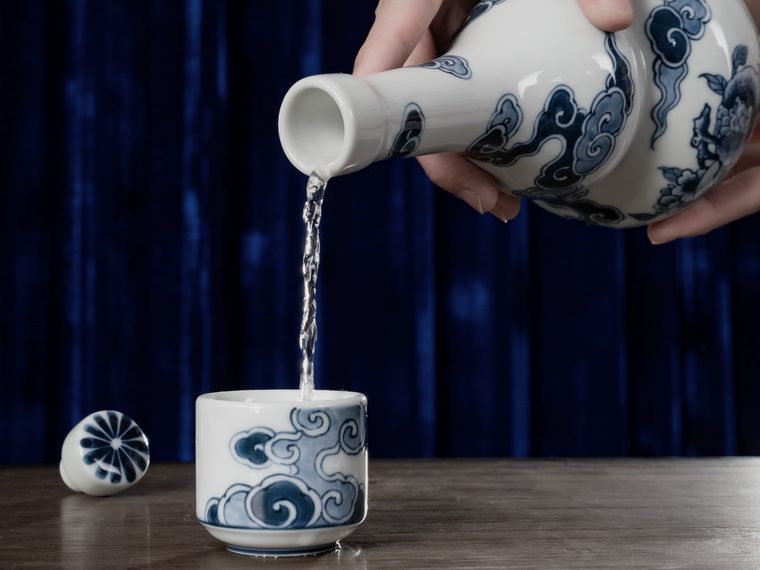
Sake
Japanese rice wine, brewed under KLBD certification. The certification covers the brewery's production, and the certificate travels with the product.
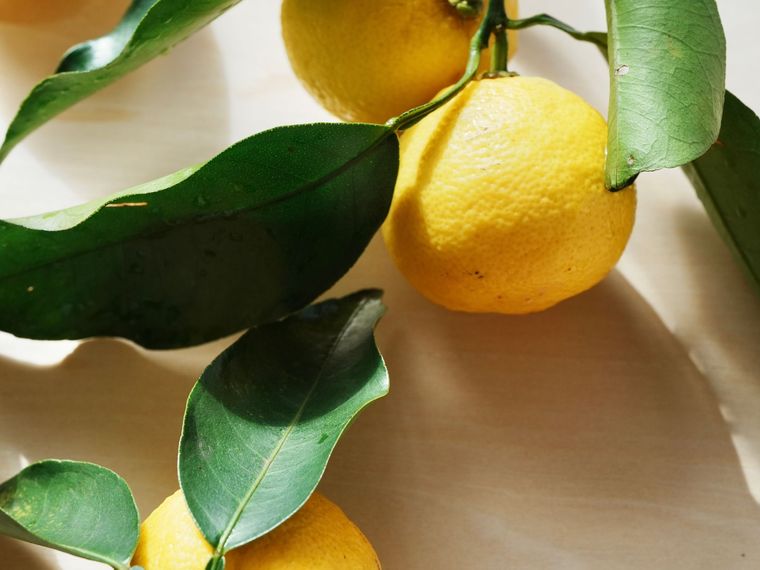
Yuzu
Yuzu juice, yuzu powder and yuzu amazake. A Japanese citrus with an aroma that has no close substitute outside Japan.
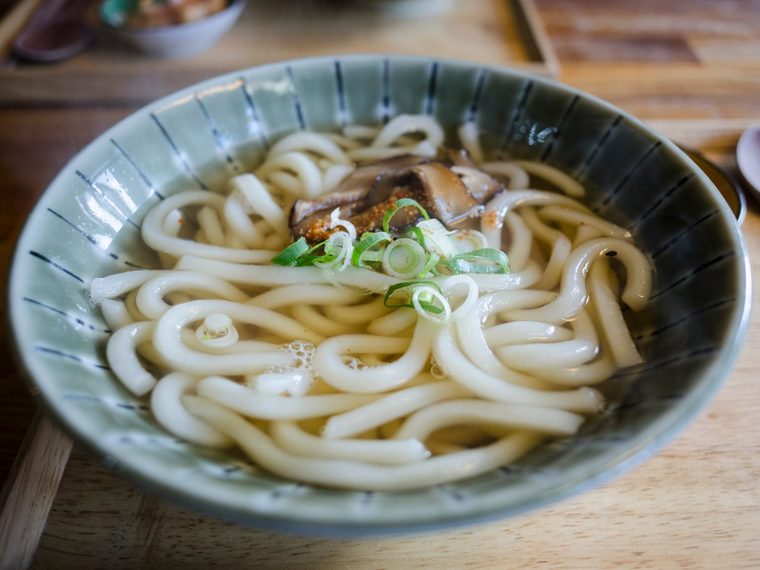
Rice Noodles
Noodles made from rice flour rather than wheat — a category where kosher and gluten-free requirements often have to be met together.
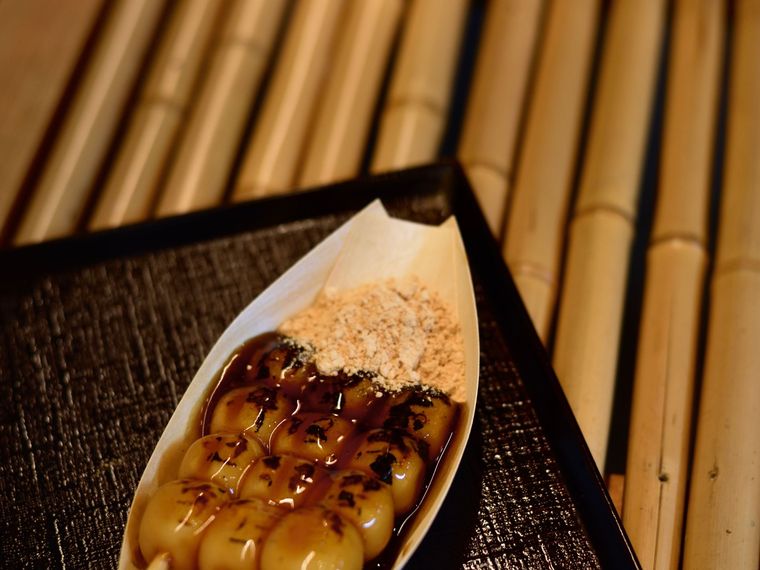
Dango-ko
Rice dumpling flour, used for the dumplings served with Japanese tea.
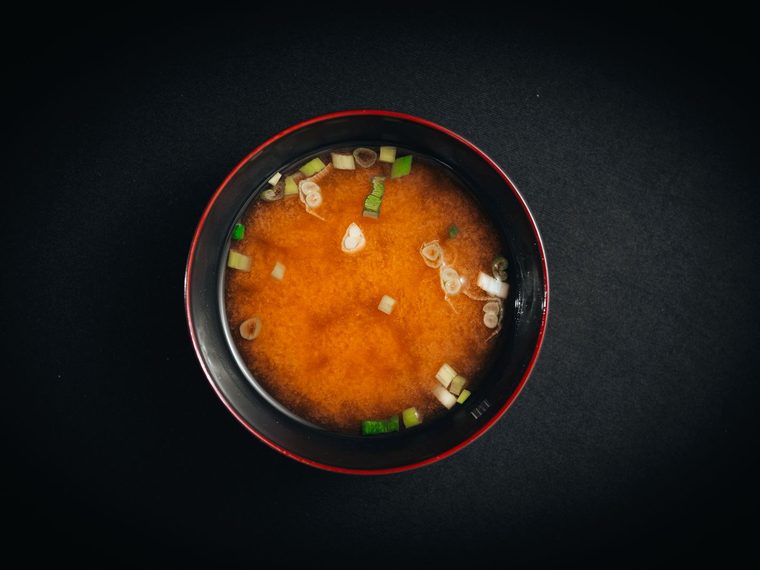
Miso
Miso fermented with rice koji, in the sizes a kitchen actually uses. It is a soup base and a seasoning in its own right.
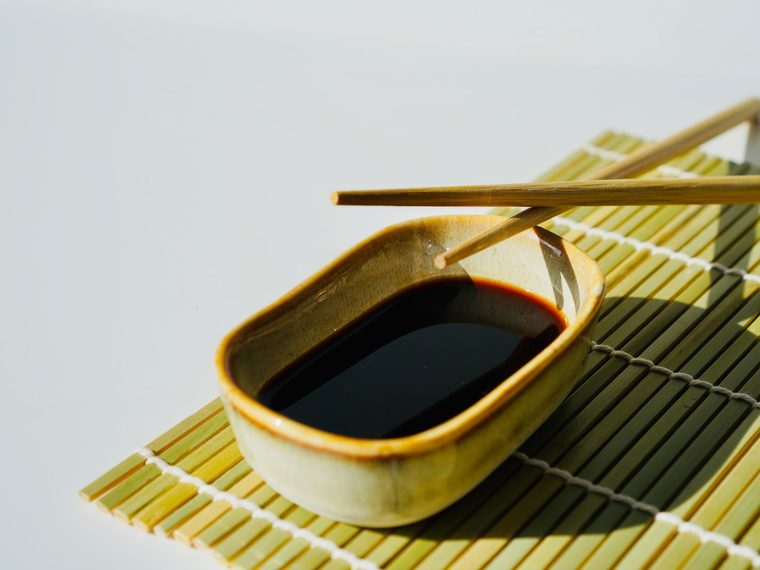
Soy Sauce Koji
Soy sauce fermented together with rice koji — a seasoning in its own right rather than a soy sauce. It is used where a rounder, less sharp finish is wanted.
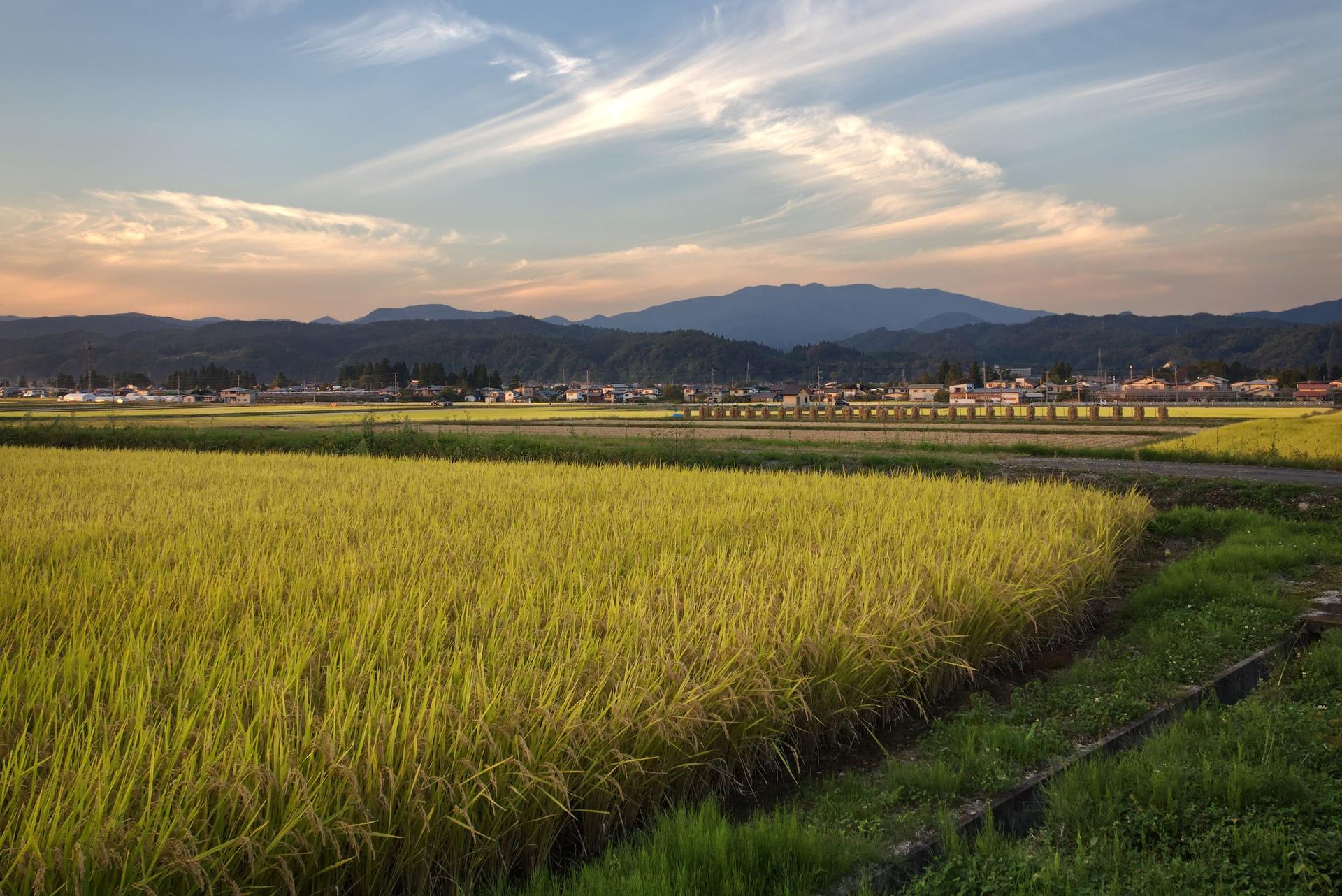
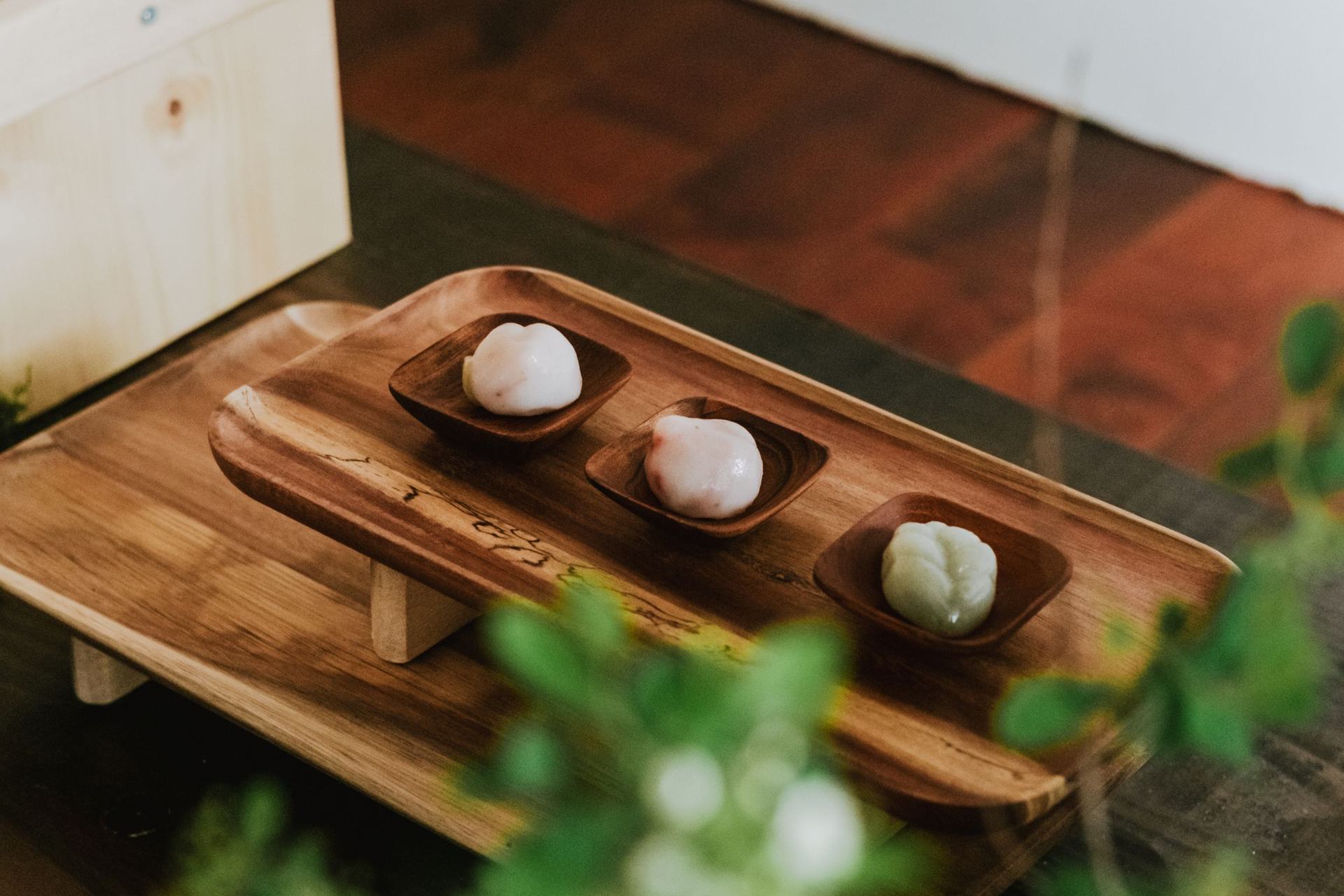
The photographs on this page show Japanese foods in general. They are not photographs of the items listed above; the certificate for any listed item is sent on request.
Alongside these run further condiments, dried goods, grains, vegetables and beverages. We hold the current list — with the certification shown against each item — and we send it on request, together with the certificate for any item you ask about. Write to us at info@kosherfoodsjapan.com and tell us the categories you buy; we will reply with what is certified today rather than with a list that may have moved on.
Two things, stated separately. The Japanese foods on this page are supplied to us by producers who hold kosher certification — OU or KLBD — for the products concerned. Our own Japanese Wagyu is not among them. Wagyu certification is in development, and we will not describe it as complete before it is granted. We keep the two apart deliberately, on this page and everywhere else.
How we decide what to list
We list a product only when its certification is already in place. Items still going through the process are kept off the list until they are through it. We do not anticipate a result, and we do not describe an application as an achievement.
In practice the products we carry are certified under OU (Orthodox Union) or KLBD (the Kosher Division of the London Beth Din). We show which one applies against each item, and we can supply the certificate for any item on request. Where a producer's certification lapses or changes, the listing changes with it.
We are not in a position to rank certification agencies, and we do not try to. What we can state is what we ourselves require before a product goes on our list: certification from an established agency, in place at the time of listing, evidenced by a document we can hand you.


These marks belong to the agencies themselves and identify the certification held by each producer. We show them here so it is clear which standard applies to an item on this list, not as a mark of approval for our own company.
All of it is made in Japan
Not assembled in Japan, and not imported and repacked here. The crops are grown in Japan and the making is done in Japan, by the producers named on the certificates we hand you.
Much of what we carry is fermented rather than manufactured — sake, miso, soy sauce koji, mirin. Fermentation cannot be hurried and cannot be moved somewhere cheaper without becoming a different product: it is tied to one site, one method and the people who keep it. That is where the character of these foods comes from, and it is also what makes them straightforward to certify. An inspector is looking at a single place of production and a process that does not change from month to month.
Frequently asked questions
Does Kosher Foods Japan supply anything other than Wagyu?
Yes. The larger part of the business is Japanese food and drink that already carries kosher certification — sake, yuzu juice and yuzu powder, gluten-free rice noodles, dango flour, miso, soy sauce koji, dried goods, grains and vegetables. Wagyu is the newest line, and the one still in development.
Which agencies certify these products?
OU (Orthodox Union) and KLBD (the Kosher Division of the London Beth Din). Each product carries the certification held by the producer who makes it. We can supply the certificate for any item on request.
Is the Wagyu covered by those certifications?
No. The certifications described here belong to the food products described here. Kosher certification for our Japanese Wagyu is in development, and the two are entirely separate. Any supplier who lets certification on one product line stand in for another is telling you something you should check.
Can I buy these products from outside Japan?
These goods are supplied for export — that is the business we are in. Alcoholic products are subject to the importing country's own licensing rules, which vary by country and, in the United States, by state. Please write to us at info@kosherfoodsjapan.com before placing a large or commercial order, so that we can confirm what is possible into your market.
One thing to keep separate. Our own Japanese Wagyu is not part of what is described on this page, and we describe it as in development until that changes. What kosher beef actually involves, and what to ask any supplier, is set out in Is Japanese Wagyu Kosher? — and if you would like to be contacted when supervision is in place, you can register your interest.
This page describes certification held by the producers whose goods we supply. It is not a religious ruling, and it is not a statement about our Wagyu, which is described separately above. For a decision that binds your business, consult the supervising authority you rely on.